Here, you can learn more about me and what I do.

Expertise in neurotech & medtech

I have dedicated my career to advancing the science and engineering behind cutting-edge neurotechnology, driven by my mission to bring a bionic nervous system to life.
Implantable hearing solutions
2017–present
Neuroscience and neurophysiology
2012–2016
Brain–computer interfaces
2011
Explore my LinkedIn profile to find out more about my experience and achievements.

It’s difficult to imagine a more valuable and far-reaching endeavor than empowering people to control their perception and body. Neurotechnology offers precisely that type of control by conditioning the nervous system.
As I explain in the business article below, I think that neurotech devices are uniquely positioned to enable effective treatments for nervous system disorders and sensory impairment (view LinkedIn post).
Moreover, I believe that future advances in neurotechnology will pave the way for cognitive and sensory enhancements in both diseased or impaired people and healthy people.
As someone committed to improving human well-being, I consider technology in general the primary driver of wellness and economic prosperity. In particular, I believe that neurotechnology holds the greatest promise. I’m therefore eager to contribute to the neurotechnology (r)evolution!

➡️ Some of the world’s wealthiest billionaire technocrats and their companies (e.g., Elon Musk’s Neuralink, Mark Zuckerberg’s Meta, Jeff Bezos’s Bezos Expeditions) are seriously committed to developing neurotechnology, so that should tell us that neurotechnology is an important part of big tech’s strategic vision for the future.
➡️ It’s important that we learn from the mistakes of insufficiently regulating other technologies (e.g., social media), recognize how neurotechnology is already being used around the world, and define our own societal values to guide us toward a better future.
➡️ Because technology evolves much faster than human institutions, it’s imperative that society and policymakers rapidly accelerate their engagement in conversations about neurotechnology and its legal implications.
➡️ Given that we live in a global economy in which investors may favor markets with fewer regulations, it’s crucial to strike a delicate balance between regulating the use of neurotechnology and incentivizing innovation in the field.
For more information on the work being done to regulate neurotechnology, visit the The Centre for Neurotechnology and Law website. I’m a member of its panel (view bio).

There is an ongoing and unfolding global healthcare crisis that has the following root causes:
1️⃣ The aging global population and the rise of chronic diseases are leading to overloaded and overwhelmed healthcare systems.
2️⃣ Structural and systemic issues lead to chronic underfunding, staff shortages, and outdated infrastructure.
3️⃣ Interoperability limitations caused by the providers’ different IT systems that often cannot “talk” to each other lead to data fragmentation, duplication of work, inefficient care pathways, higher costs, and slower care.
The factors below are likely to play a pivotal role in alleviating the healthcare crisis.
➡️ The European Health Data Space (EHDS) regulation entered into force in 2025. It “aims to establish a common framework for the use and exchange of electronic health data across the EU”. The EHDS presents significant opportunities for healthcare providers and medtech companies to promote patient-centered care and leverage big data.
➡️ The human–AI hybrid model is poised to become the dominant paradigm in digital health worldwide. Its core principle is augmentation, not replacement, combining the complementary strengths of humans and AI.
➡️ Wearables and portable medical devices connected to the Internet of Things (IoT) are particularly well placed to enable precision medicine because they collect vast amounts of real-world data in real time over an extended period. These devices can also leverage cloud computing and AI.
➡️ IoT-enabled active implantable medical devices (AIMDs) can measure their effect on health and translate big data into medical solutions. These devices will likely play a key role in the value-based healthcare model. Unsurprisingly, the World Health Organization (WHO) advocates the global adoption of evidence-based digital health solutions.
For more insights about the future of medical care, read my business article below (view LinkedIn post).
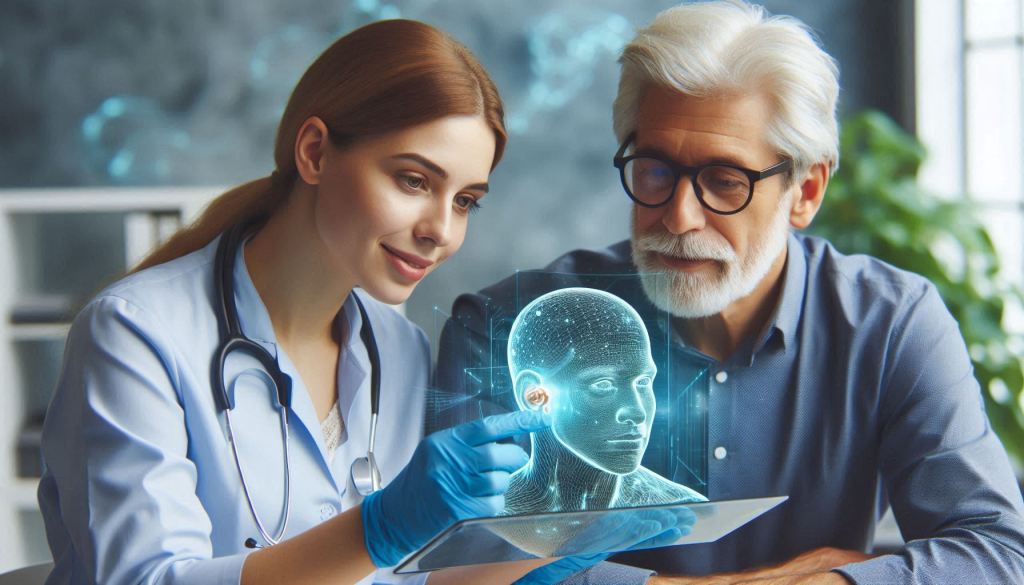
The Cochlear Implant.
Are We Incubating the Future of Medical Care?
Tiago R. Felix (2024) The Cochlear Implant. Are We Incubating the Future of Medical Care? Published by The Centre for Neurotechnology and Law (previously Institute of Neurotechnology & Law) here.

My contributions
Tiago R. Felix (2021) The Rise of Neurotech Devices and the Moment of Truth for the Pharma Industry. Published by Drug Discovery World (DDW) here.
The Cochlear Implant.
Are We Incubating the Future of Medical Care?
Tiago R. Felix (2024) The Cochlear Implant. Are We Incubating the Future of Medical Care? Published by The Centre for Neurotechnology and Law (CNL, previously INL) here.
– Bester, C., O’Leary, S. J., Venail, F., Büchner, A., Rocha Félix, T., Lai, W. K., … Beynon, A. (2025). Improving real-time feedback during cochlear implantation: The auditory nerve neurophonic/cochlear microphonic ratio. Ear & Hearing, 46(3), 687–695 (view article).
– Rocha Félix, T., Waldmann, B., Prenzler, N. K., Salcher, R. B., Timm, M. E., Lenarz, T., Maier, H. (2023). Estimating vibration artifacts in preclinical experimental assessment of actuator efficiency in bone-conduction hearing devices. Hearing Research, 433(108765) (view article).
– Waldmann, B., Rocha Félix, T., Bento, M., Miranda, C., Peixoto, M. C., Pratas, R., … Correia da Silva, V. (2021). In-vivo characterisation of an implanted microphone and totally implantable active middle ear implant. International Journal of Audiology, 61(11), 948–955 (view article).
– Bervoets, W., Kennes, P., Fierens, G., Van Himbeeck, C., Rocha Félix, T., Rambault, A. (2023). High impedance tissue mounting of implantable transducer (U.S. patent application publication No. US20250168578A1). U.S. Patent and Trademark Office (view patent).
– Waldmann, B., Rocha Félix, T. (2022). Intra-operative determination of vibratory coupling efficiency (U.S. Patent No. 11,272,297). U.S. Patent and Trademark Office (view patent).
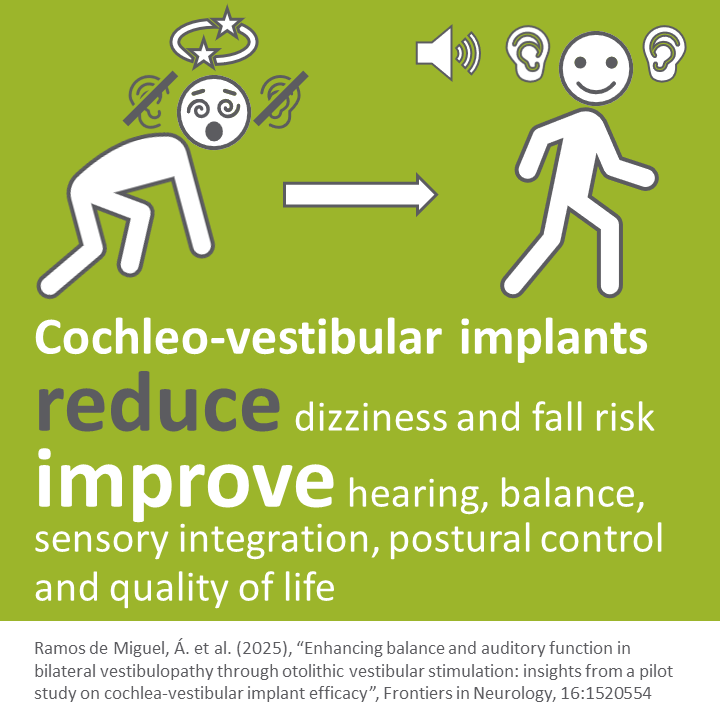
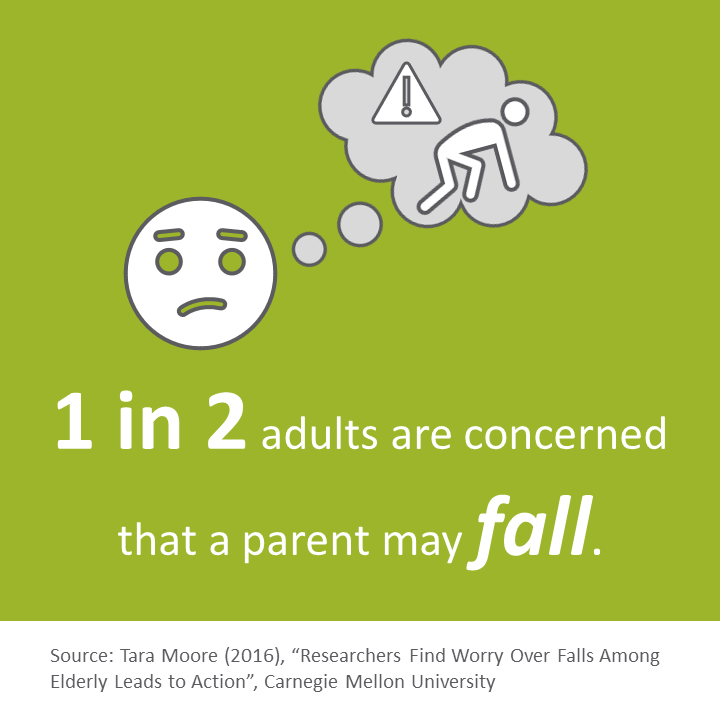
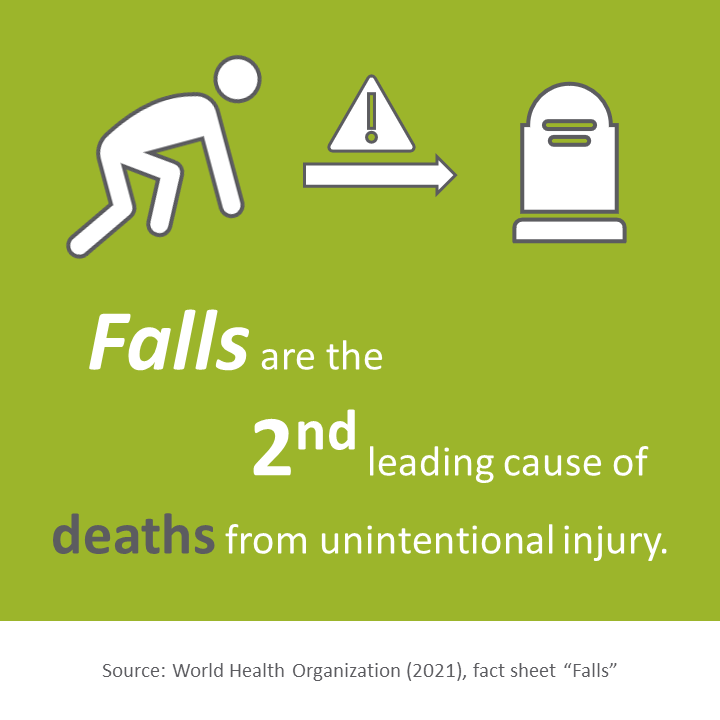
Below are some infographics that I created for the BionicVEST consortium. The consortium aims to develop a commercially viable bionic implant to restore vestibular function and balance for people with severe vestibular disorders (view LinkedIn posts).


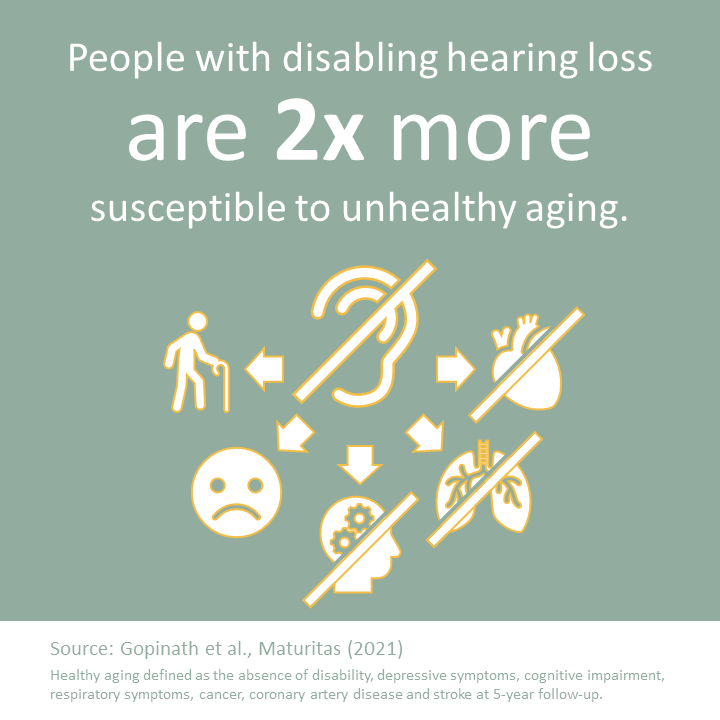
I also created the infographics below to raise awareness about the importance of treating hearing loss for healthy aging.